

Setting up a dedicated backyard cooking station comes down to one fundamental decision: how to balance prep space, storage, and guest entertaining without cluttering your patio.
Choosing the best outdoor kitchen islands takes a lot more than just taking what you have indoors and copying it outside. There are more challenges to think about. For instance, you have to think about choosing weather-resistant materials, managing heat and moisture, and creating an efficient cooking workflow. Whether you’ve got a compact condo deck or an expansive backyard patio, the right island serves as the anchor for summer barbecues and evening drinks alike.
In this guide, we’ll break down material durability, functional zone planning, patio sizing rules, and top picks by use case so you can select the ideal island setup for your outdoor space on the first try.
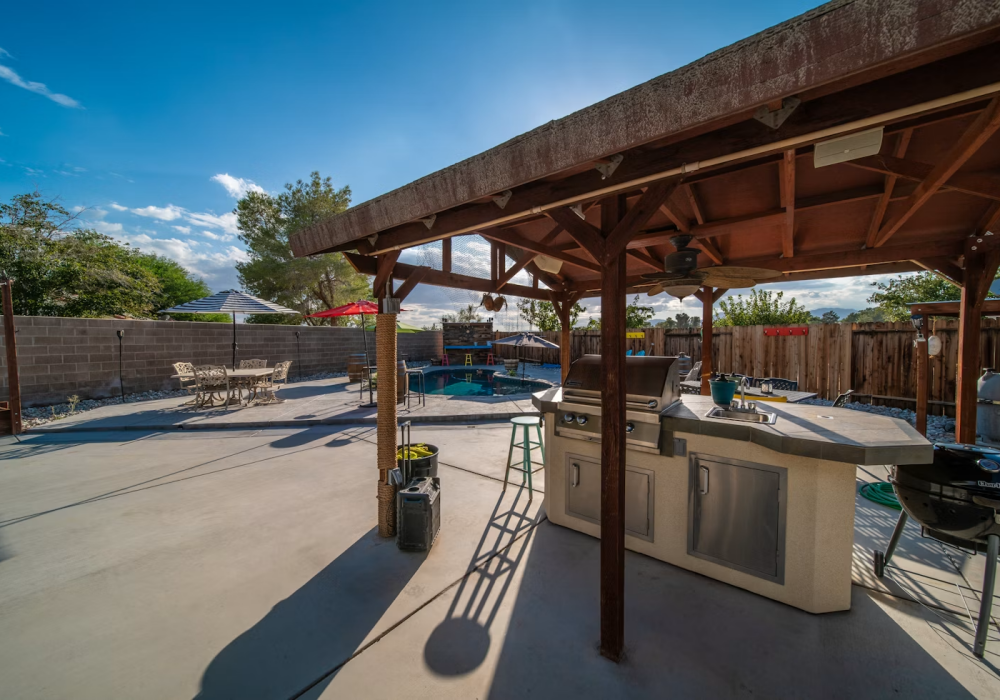
Source Unsplash (CC0)
Table of Contents
- Planning the Perfect Backyard Cooking Workflow with Functional Zones
- Weatherproof Materials That Actually Holds up Outdoors
- Outdoor Kitchen Island Comparison
- Best Outdoor Kitchen Islands and Entertaining Modules for 2026
- Clearance Rules and Utilities for Backyard Islands
- FAQs About Outdoor Kitchen Islands
- Choosing the Right Island for Your Backyard
Planning the Perfect Backyard Cooking Workflow with Functional Zones
Setting up an outdoor kitchen island without a proper plan will lead to disaster. One minute you're flipping burgers, and the next, guests are tripping over your tongs while trying to grab a cold drink.
Indoor rules don't quite apply out here. You aren't just bouncing between a sink and a stove. You’ve got more to manage like open flames, the hot summer sun, raw marinades, and a crowd of hungry friends all at once.
To keep the food flowing and your sanity intact, break your island down into four core functional zones:
- The hot zone (grilling and fire): This is where the magic and the heat happens. Whether it’s a gas grill, charcoal smoker, or pizza oven, this area needs heavy heat resistance and plenty of breathing room away from walls or wooden railings.
- The dry zone (prep and serving): Your main workspace. You need at least 24 to 36 inches of wide-open, uninterrupted counter space right next to the grill for chopping veggies, seasoning steaks, and plating up finished dishes.
- The wet zone (cleanup and rinsing): A small outdoor-rated sink or beverage trough changes everything. It means no more tracking sticky marinade through the back sliding door just to wash your hands.
- The cold zone (refrigeration and ice): Keeps things chilled. An under-counter mini-fridge or built-in ice chest lets guests grab a beverage without barging into your cooking station.
And remember, keep a very strict boundary between your raw prep area and your guest serving zone. This is to keep things organized and to also ensure there’s no cross-contamination. The last thing you want is to give your guests food poisoning.
Source Homary
Weatherproof Materials That Actually Holds up Outdoors
Leaving furniture outside year-round is a brutal test. Rain, intense UV rays, freeze-thaw cycles, and the occasional spilled glass of red wine will destroy cheap materials surprisingly fast.
If you want an outdoor island that lasts longer than a single season, pay attention to what the frame and countertops are made of:
Frame and cabinetry construction
- Powder-coated aluminum: Light, completely rust-proof, and great for coastal air. It's easily one of the smartest choices if you live somewhere rainy or humid.
- 304 or 316 stainless steel: The gold standard for outdoor kitchens. 316-grade costs a bit more, but it offers extra protection against salt-air corrosion if you're near the ocean.
- Teak wood or marine polymer: Teak looks gorgeous, but it needs routine oiling to avoid turning gray. High-density marine polymers, on the other hand, never rot or need refinishing.
Countertop surfaces
- Sintered stone and outdoor porcelain: Engineered under extreme heat and pressure, sintered stone is practically indestructible. It handles scorching hot pans without scorching and won't fade under harsh UV light.
- Granite: A solid natural choice as long as it's properly sealed. Stick to lighter or mid-tone shades as pitch-black granite absorbs direct sunlight like a sponge and will burn your hands on a 90°F afternoon.
Nobody wants to install an expensive quartz countertop only to have it crack after a summer or two. Make sure you carefully consider your material choices and ensure that you’re building around your local weather conditions.
Outdoor Kitchen Island Comparison
Not every backyard needs a massive 10-foot built-in kitchen station. Matching your island's size and footprint to your deck size keeps the space functional without giving up your seating area.
Patio Size and Footprint | Primary Core Function | Recommended Features and Modules | Seasonal Maintenance Needs |
Compact Balcony / Small Deck (Under 100 sq ft) | Quick prep, intimate drinks and casual dining. | Foldable drop-leaf sides, locking casters, weather canopy, compact drop-in ice bin. | Low. Wipe down surfaces, lock wheels during windstorms, and toss a fitted cover over it in winter. |
Mid-Sized Patio / Deck (100 to 300 sq ft) | Hybrid cooking prep, storage and hosting hub. | Extendable counter wings, deep utensil drawers, built-in paper towel holder, beverage trough. | Moderate. Rinse out drainage lines, clean drawer tracks, and re-seal natural wood accents annually. |
Spacious Backyard (300+ sq ft) | Heavy cooking, multi-course prep and bar service. | Sintered stone countertops, built-in grill cutout, under-counter mini-fridge, double-basin sink. | Regular. Deep-clean grease traps, winterize outdoor plumbing lines, and inspect electrical seals. |
Source: Unsplash (CC0)
Best Outdoor Kitchen Islands and Entertaining Modules for 2026
Finding the right outdoor island is more than just looking at a shiny showroom catalog and picking something from the book. The reality is that you need to match it with the rest of your outdoor furniture. That could be your deck size. The local weather. Even just the number of guests you plan to have around.
So here are three distinct layout scenarios and the exact setups that make them work:
Scenario 1: Flexible dining and sun protection for small-to-mid patios
If your outdoor space pulls double duty for quiet weeknight dinners and chaotic weekend barbecues, versatility is everything. You need furniture that adapts on the fly.
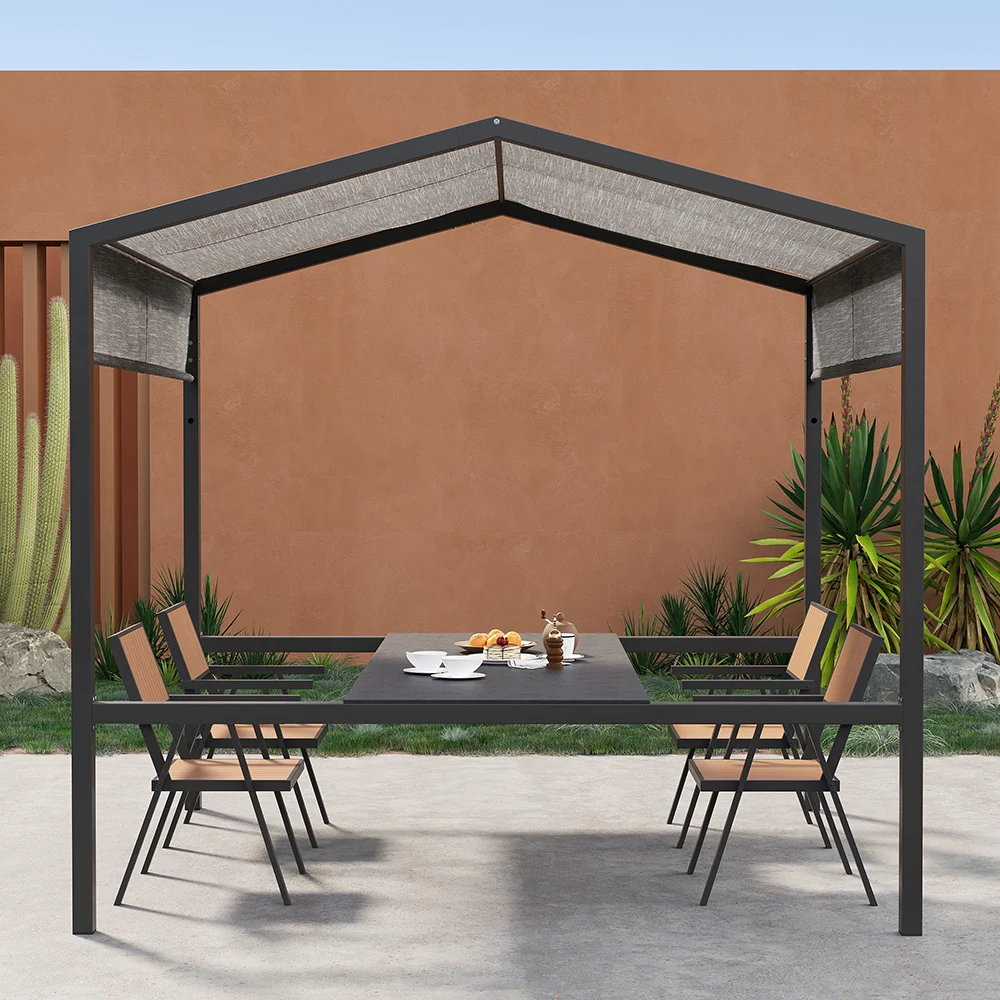
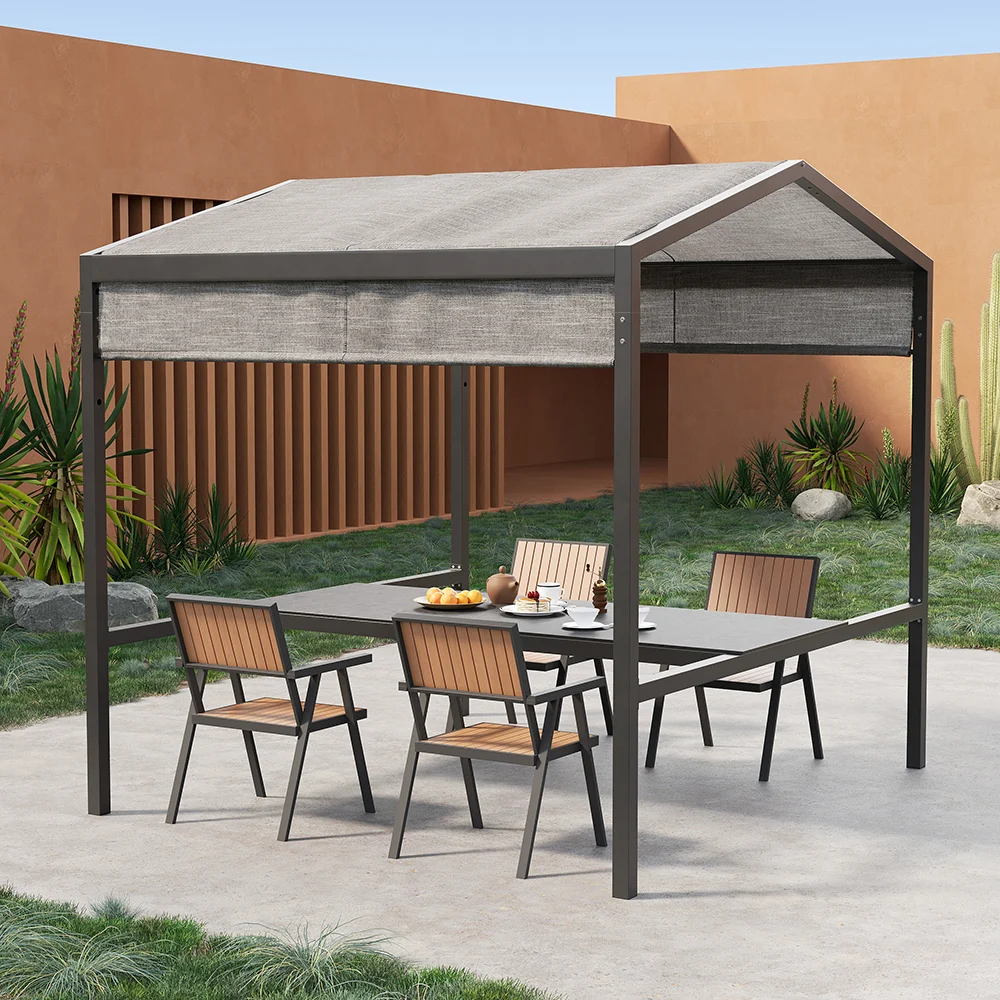
An ideal fit here is the Outdoor Patio Adjustable Height Aluminum Dining Table with Canopy Convert to Bar Table. Its rust-resistant aluminum alloy frame holds up effortlessly against rain and humidity, while the built-in overhead canopy blocks harsh afternoon sun glare.
The real useful feature here is the height-adjusting mechanism. Lower it to standard height for a sit-down family dinner, then raise it up to transform your patio into an open-air cocktail bar when friends drop by.
Scenario 2: Dynamic prep and storage for variable guest counts
Hosting five people is easy. Hosting fifteen requires serious counter space. When guest lists get bigger, having a surface that grows with the crowd saves the day.
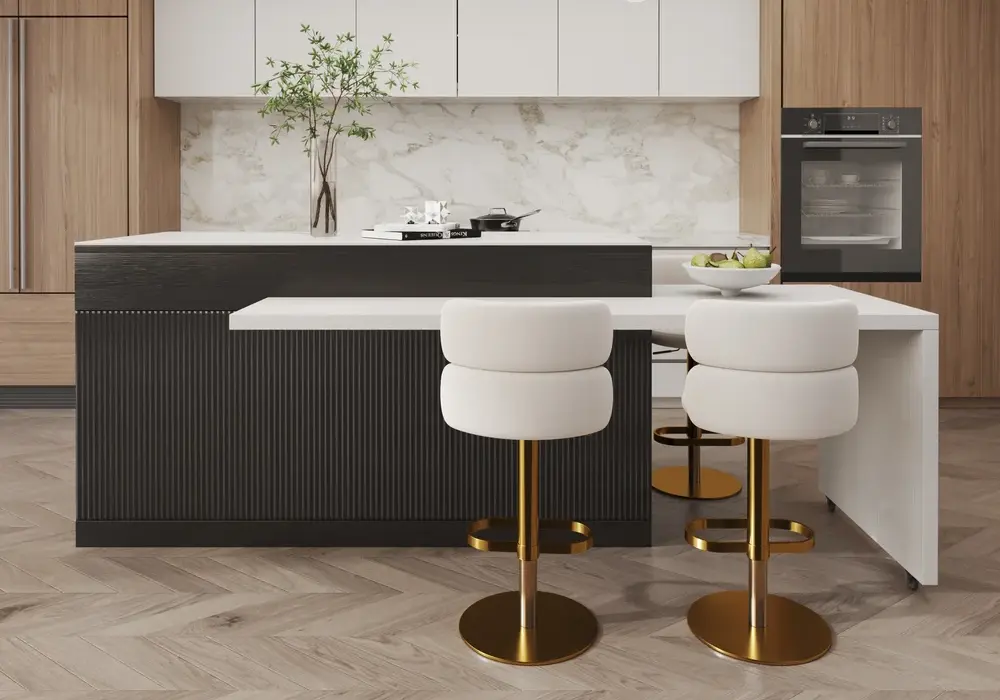
For covered patio transitions or protected outdoor dining pavilions, an extendable setup like the Modern 81"–106" Extendable Sintered Stone Kitchen Island with Storage, Black & White is a fantastic option. The sintered stone surface handles hot platters and accidental spills without staining, while the pull-out extension opens up extra prep room when you're plating multiple courses.
Nothing kills the vibe of a party faster than running back and forth to the indoor kitchen for serving platters. Having an extendable island stationed right on the back deck keeps everything within arm's reach so the host actually gets to enjoy the party.
Scenario 3: Compact multi-storage workstations
When working with a spacious, covered sunroom or outdoor dining pavilion, keeping clutter under control becomes priority number one. You need deep cabinets to hide extra gear, serving bowls, and grill covers.
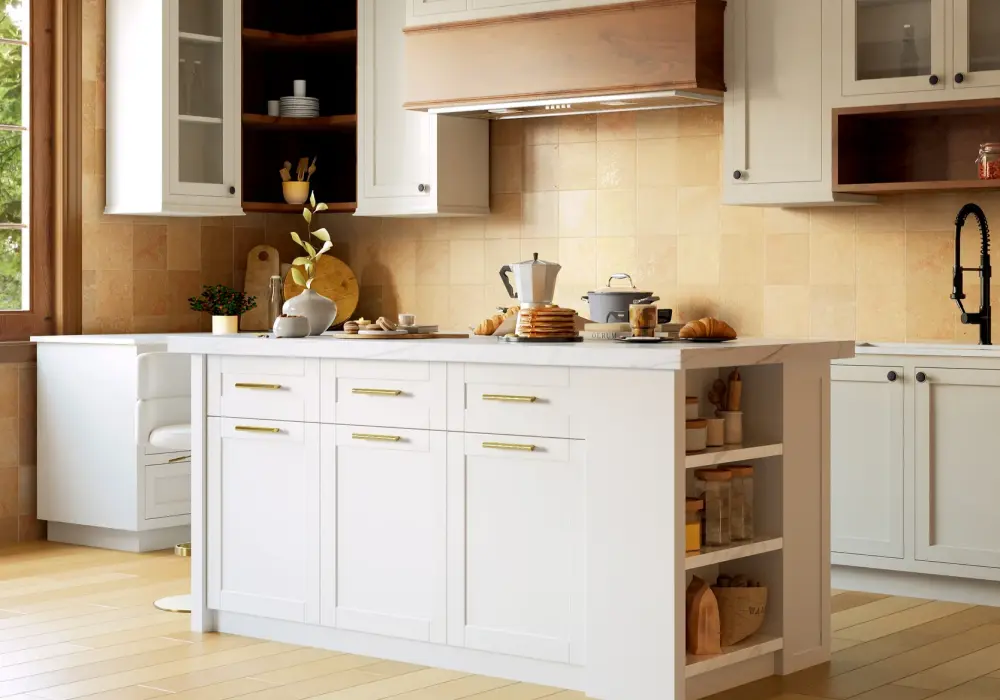
A weather-shielded covered patio benefits massively from dedicated storage pieces like the 72" Modern Style Laminate Kitchen Islands with Multi-Storage White or the Modern 72" Glossy Sintered Stone Kitchen Island with Storage, White & Black. Packed with deep drawers, interior shelving, and wide countertops, these units give you a home for all those extra outdoor essentials that usually wind up crowding your indoor counters.
Scenario 4: All-in-one prep and built-in dining for four
If your outdoor setup doubles as your primary summer dining room, squeezing both a prep island and a full dining table onto the same patio can swallow up all your floor space.
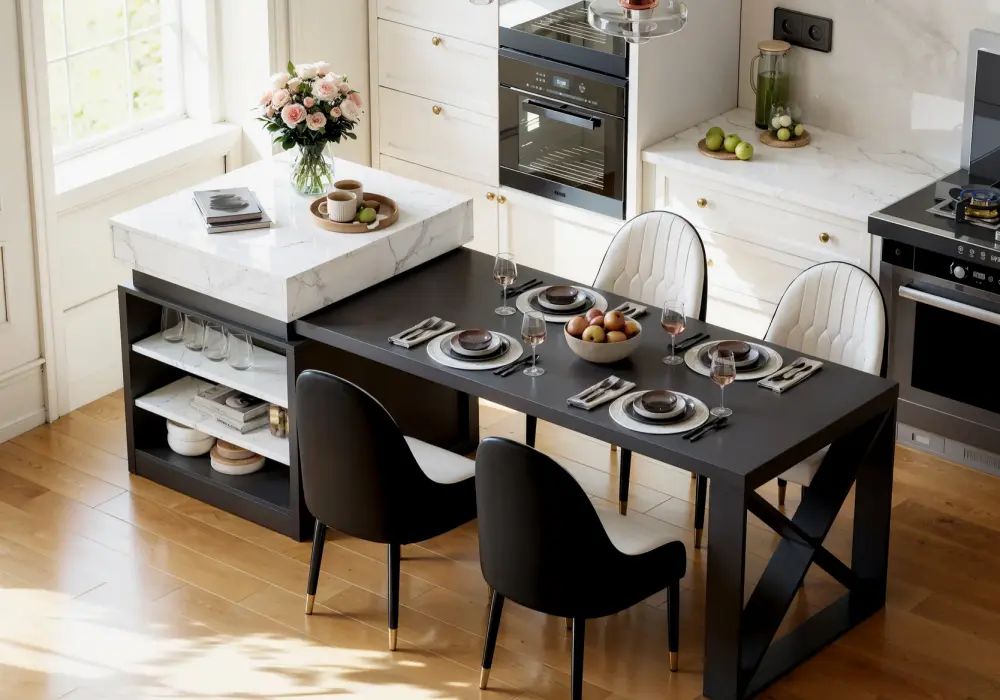
That’s where a dual-purpose layout like the Modern 73"-93" Extendable White and Black Kitchen Island with Dining Table shines. It pairs deep cabinets, open shelving, and drawer storage with a smooth pull-out table leaf that expands from 73 to 93 inches.
You get a dedicated prep station for chopping and staging food on one side, plus comfortable seating for four guests on the other. When dinner wraps up, simply tuck the table section back in to open up your patio floor for evening drinks.
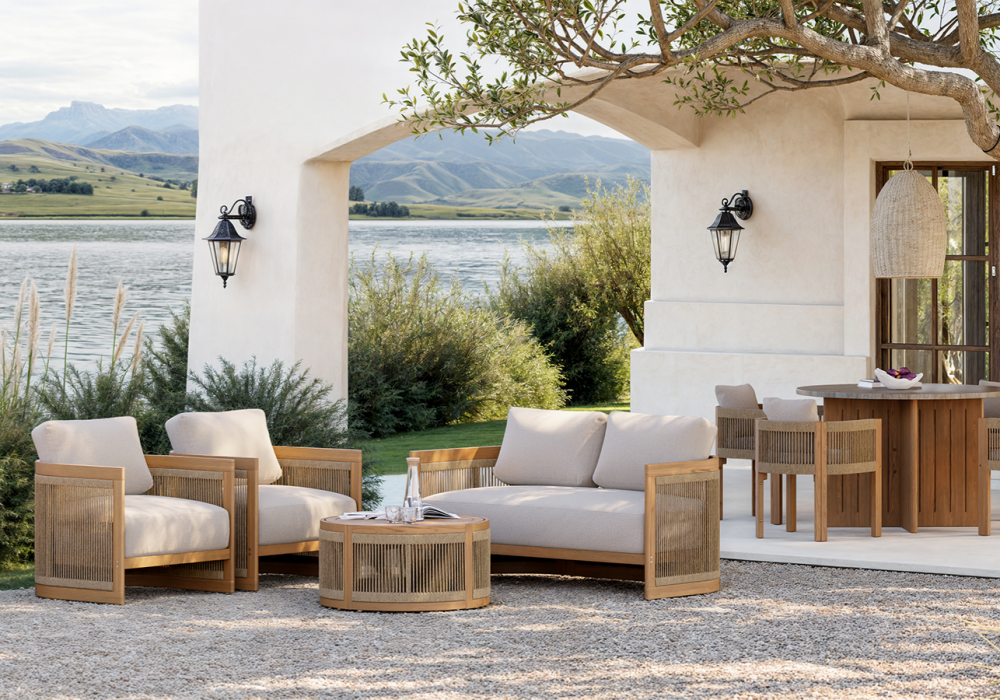
While these wood-composite and laminate multi-functional units offer incredible storage and built-in seating, they thrive best under a covered patio, pergola, or enclosed sunroom pavilion. Keeping them shielded from rain ensures the pull-out hardware stays gliding smoothly for years.
Source: Homary
Clearance Rules and Utilities for Backyard Islands
Building a great outdoor setup involves more than just picking nice countertops. You’ve got to think about making sure nobody gets burned and your local code officer doesn't send you an angry complaint. Getting your clearance distances right keeps foot traffic flowing smoothly and keeps fire hazards at bay.
Safety and ergonomics on the deck
- Walkway space: Keep at least 36 inches of clear walkway space around island edges so guests aren't squishing past each other. In the main cooking zone, aim for 42 to 48 inches so you can open grill lids or lower cabinet doors without blocking traffic.
- Ventilation and wall clearance: Keep gas grills at least 12 to 24 inches away from combustible walls, wooden fences, or vinyl siding. If you're building a grill into a wooden structure, installing an insulated stainless steel liner is mandatory to prevent heat transfer. Always keep at least 30 to 60 inches of open clearance above an open burner.
- Gas lines versus propane storage: Running a hardlined natural gas pipe directly from your home is convenient because you'll never run out of fuel mid-party. If you prefer portable 20-pound propane tanks, make sure your island features a dedicated, vented drawer. Propane gas is heavier than air, so unvented cabinets can trap leaking gas and create an explosion risk.
- Electrical requirements: Any outdoor mini-fridge, blender outlet, or under-counter LED light bar needs to run on a GFCI-protected circuit (Ground Fault Circuit Interrupter). Keep outlets well clear of the sink area and use weatherproof, code-compliant outlet covers.
FAQs About Outdoor Kitchen Islands
Can I leave an outdoor kitchen island uncovered during winter?
While high-end materials like sintered stone, powder-coated aluminum, and 304 stainless steel are built to withstand severe weather, leaving an island raw to freeze-thaw cycles isn't ideal. Water can seep into tiny hardware crevices, freeze, expand, and stress the joints.
A heavy-duty, breathable, custom-fitted weather cover will easily double the lifespan of your island. If your island features a wet bar or sink, remember to shut off the water valve, drain the supply lines, and pour non-toxic RV antifreeze down the drain trap before the first hard freeze hits.
What is the best countertop material for outdoor sun exposure?
Sintered stone and sealed light-colored granite are top-tier choices. Sintered stone is completely immune to UV radiation, so dark black or slate tones won't fade or warp even under scorching mid-day sun.
Avoid standard interior quartz countertops outdoors at all costs. Outdoor UV rays cause the resin binders in quartz to yellow, cloud over, and structurally degrade within a couple of seasons.
How much counter space do I need next to an outdoor grill?
Plan for an absolute minimum of 12 to 24 inches of uninterrupted landing space on at least one side of the grill, though having it on both sides is vastly better. You need a dedicated landing pad for raw meat platters, hot tongs, basting brushes, and finished serving trays so you aren't forced to balance hot cast-iron skillets on nearby chairs.
Is a sink necessary on an outdoor kitchen island?
It depends entirely on your plumbing budget and how far your patio sits from your main house. A fully plumbed outdoor sink requires running hot and cold water lines plus a graywater drain line, which can be expensive depending on your location.
If you want a budget-friendly compromise, opt for a cold-water-only setup connected via a quick-connect garden hose line, or install a drop-in insulated ice trough with an easy bottom drain plug for rinsing tools and chilling drinks.
Choosing the Right Island for Your Backyard
Building the ultimate outdoor cooking space comes down to matching your island to your patio footprint and hosting habits. Whether you need a compact height-adjustable table or an extendable sintered stone prep station, the right module anchors your deck while keeping hosting effortless.
Before buying, grab painter’s tape to map out the island's footprint right on your deck. Test walkway clearances, check cabinet swings, and ensure guests can grab drinks without crowding the chef. Prioritize weather-resistant aluminum and sintered stone, map your functional zones, and you’ll create an outdoor kitchen setup that makes summer entertaining a total breeze.