

At a Glance
How do you clean outdoor cushions? To clean outdoor cushions, brush off loose dirt, vacuum debris, spot-treat stains, scrub with mild soap and warm water, rinse thoroughly, and air dry completely in direct sunlight. For mold stains, vinegar or Borax can be used as a bleach-free alternative. Always check the care label first and allow cushions to dry fully to prevent mildew regrowth.
Key Takeaways
✔ Most outdoor cushion covers can be machine-washed if the care label allows it—use cold water, gentle cycle, and mild detergent
✔ Vinegar and Borax work well as bleach-free alternatives for mildew stains
✔ Removable covers should be air-dried completely before putting them back on to prevent shrinking
✔ Proper drying in sunlight helps prevent mold growth and kills bacteria
✔ Protective covers can extend cushion lifespan significantly
What You'll Need
Before starting your cleaning project, gather these supplies:
Item | Purpose |
Vacuum with upholstery attachment | Remove loose dirt and debris |
Soft-bristle brush | Gentle scrubbing without damaging fabric |
Mild dish soap (Dawn recommended) | Primary cleaning agent |
White vinegar | Natural mold and mildew treatment |
Borax | Bleach-free stain remover |
Baking soda | Oil stain absorption |
Spray bottle | Apply cleaning solutions evenly |
Garden hose | Rinse cushions thoroughly |
Clean towels | Blot excess moisture |
Expert Tip: According to outdoor furniture care professionals, using harsh detergents can damage fabric and void warranties. Mild soap and lukewarm water are nearly always the safest starting point.
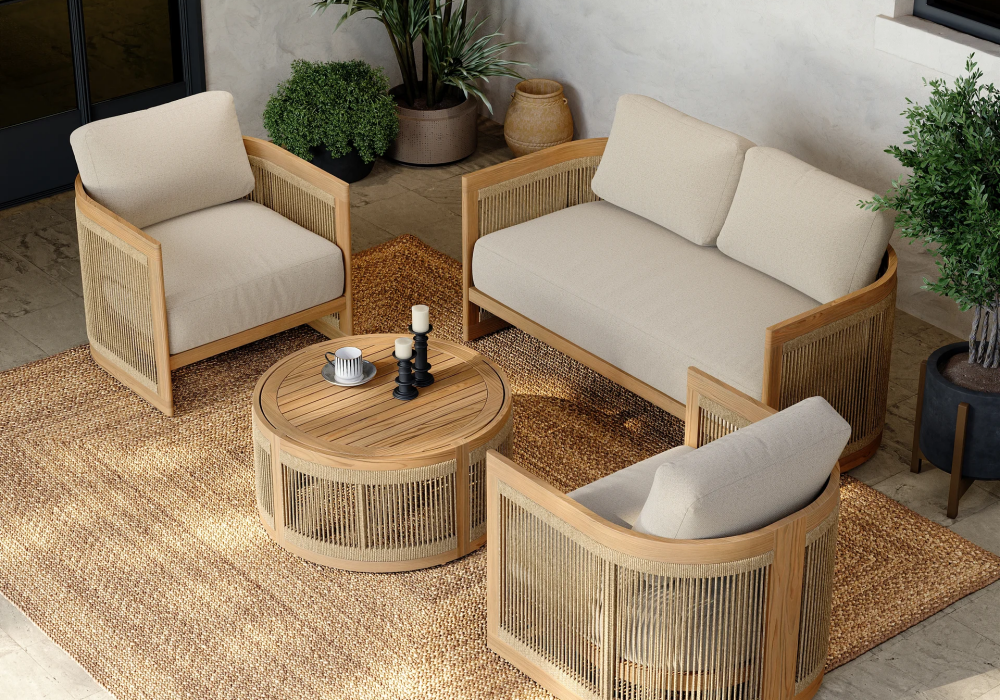
Homary Pick: Boheva 4-Piece Outdoor Sofa Set
How to Clean Outdoor Cushions in 7 Steps
Step 1: Check Care Labels
Always check the manufacturer's care label before cleaning. Some fabrics like Sunbrella and Olefin have specific cleaning requirements, and deviating from recommendations may void the warranty. If your cushions lack labels, use the gentlest method first and spot-test in an inconspicuous area.
Step 2: Remove Surface Dirt
Remove cushions from furniture and shake them off to remove loose dirt and debris. Use a vacuum cleaner with a brush attachment or a stiff-bristled brush to remove additional dirt. Pay special attention to seams and crevices where dirt can build up.
Step 3: Prep the Cleaning Area
Mix your cleaning solution. For an effective and natural cleaner, combine:
- ½ cup dish soap
- 1 cup white vinegar
- 1 gallon warm water
Step 4: Pretreat Stains
For visibly dark stains, pretreat with a 50/50 solution of warm water and white vinegar in a spray bottle. Spritz directly on the stain and let it sit for 15-20 minutes before rinsing.
Step 5: Scrub Your Cushions
Dip a soft-bristle brush into the cleaning solution and scrub the entire cushion surface. Work in circles to loosen dirt and help lift it to the surface. Allow stubborn stains to sit for 15 minutes before scrubbing.
Step 6: Rinse Thoroughly
Thorough rinsing is critical. "If you don't rinse properly, dirt can seep into the fabric and stain it, putting you in a situation where you might have to clean everything all over again," note cleaning experts. Use a garden hose or clean water from a bucket.
Step 7: Dry Completely
Set cushions out to dry in direct sunlight. The sun's UV rays help kill remaining mold and bacteria. Check cushions periodically—prolonged sun exposure can fade fabric. Ensure cushions are completely dry before putting them back on furniture.
Can You Wash Outdoor Cushions in a Washing Machine?
Most outdoor cushion covers can be machine-washed if the care label allows it. Use cold water, a gentle cycle, and mild detergent. Air dry the covers completely before putting them back on—machine drying can cause shrinking and damage.
Important considerations:
- Only wash removable covers, never the foam inserts
- Remove covers carefully to avoid tearing zippers
- Air drying is essential to prevent shrinking and maintain shape
- Sunbrella and Olefin fabrics are typically machine-washable but confirm on the label
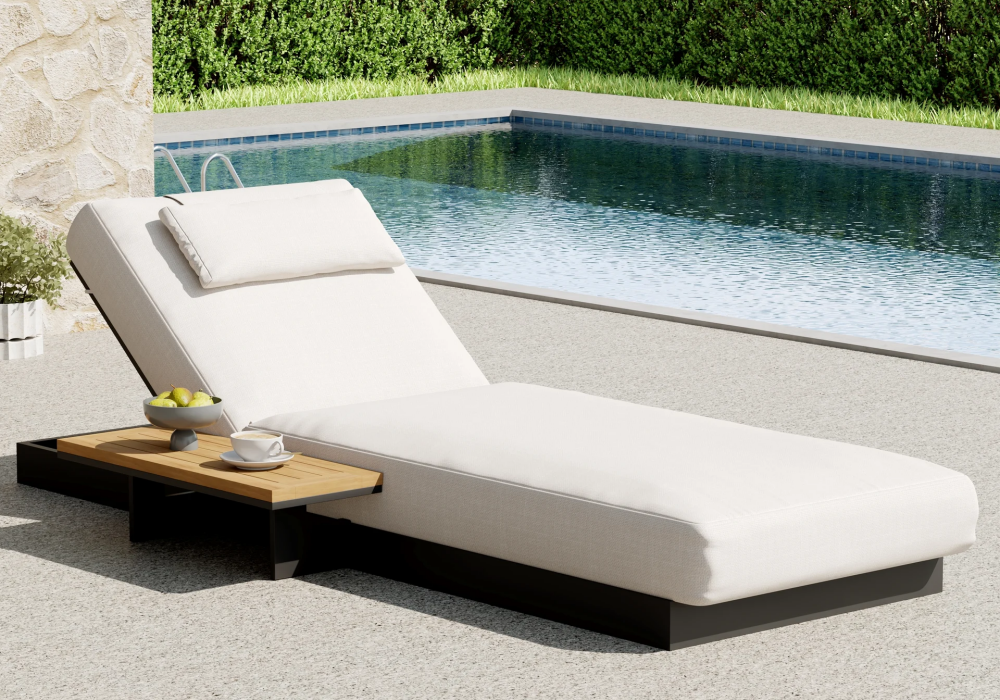
Homary Pick: Tevara Outdoor Lounger Daybed
How to Clean Outdoor Cushions With Mold
Surface Mold
Mix equal parts water and distilled white vinegar in a spray bottle. Spray the affected area and allow the solution to sit for 15 minutes. Scrub with a sponge or soft-bristle brush, then thoroughly rinse with water. Let the cushion dry in the sun—UV rays help kill remaining mold and mildew.
Deep Mildew
For stubborn mildew, cleaning professionals recommend using a degreaser like Krud Kutter to remove persistent mold. Apply, let it sit for 15 minutes, scrub gently, and rinse thoroughly.
Persistent Odor
If odor remains after cleaning, use a Borax solution (see below) or sprinkle baking soda on the cushion, let it sit for several hours, then vacuum.
How to Remove Mildew Stains Without Bleach
For those who prefer bleach-free options, several effective alternatives exist:
Method | Recipe | Application |
Vinegar | Equal parts water and white vinegar | Spray, sit 15 minutes, scrub, rinse |
Borax | ¼ cup Borax + warm water + dish soap | Soak or spray, scrub, rinse |
Hydrogen Peroxide | Mix with baking soda to form paste | Apply to stain, let sit 30 minutes, scrub, rinse |
Baking Soda | Sprinkle directly on stain | Absorbs oil and neutralizes odors |
How to Clean Outdoor Cushions With Borax
Borax is an excellent bleach-free alternative for mildew removal and can handle even tough stains.
Borax Solution Recipe:
- ¼ cup Borax
- 1 gallon warm water
- 1 tablespoon dish soap
Application Steps:
- Mix ingredients thoroughly in a bucket
- Apply solution to stained areas using a sponge or spray bottle
- Allow to soak for 15-30 minutes
- Scrub gently with a soft-bristle brush
- Rinse thoroughly with clean water
- Air dry completely in sunlight
This method is particularly effective for persistent mildew and odor removal without the harshness of chlorine bleach.
How to Clean Outdoor Cushions With Removable Covers
Step-by-Step Process
- Unzip and remove covers carefully to avoid damaging zippers
- Machine wash on gentle cycle with cold water and mild detergent
- Air dry completely before replacing—this is critical to prevent mold and shrinking
- While covers are off, clean the foam inserts by spot-treating with mild soap and water, then air drying
Note: Removing covers allows for more thorough cleaning and protects foam inserts from potential damage during the washing process.
How to Clean Outdoor Cushions Without Removable Covers
For cushions with non-removable covers, hand washing is your only option:
- Hand washing with mild soap solution and soft brush
- Spot treatment for specific stains using vinegar solution or Borax paste
- Wet vacuum to extract excess water after cleaning
- Foam cleaner designed for upholstery (apply, let sit, vacuum)
Key Challenge: Without removable covers, drying takes longer and the risk of mold regrowth increases. Ensure thorough drying and consider using fans to speed up the process.
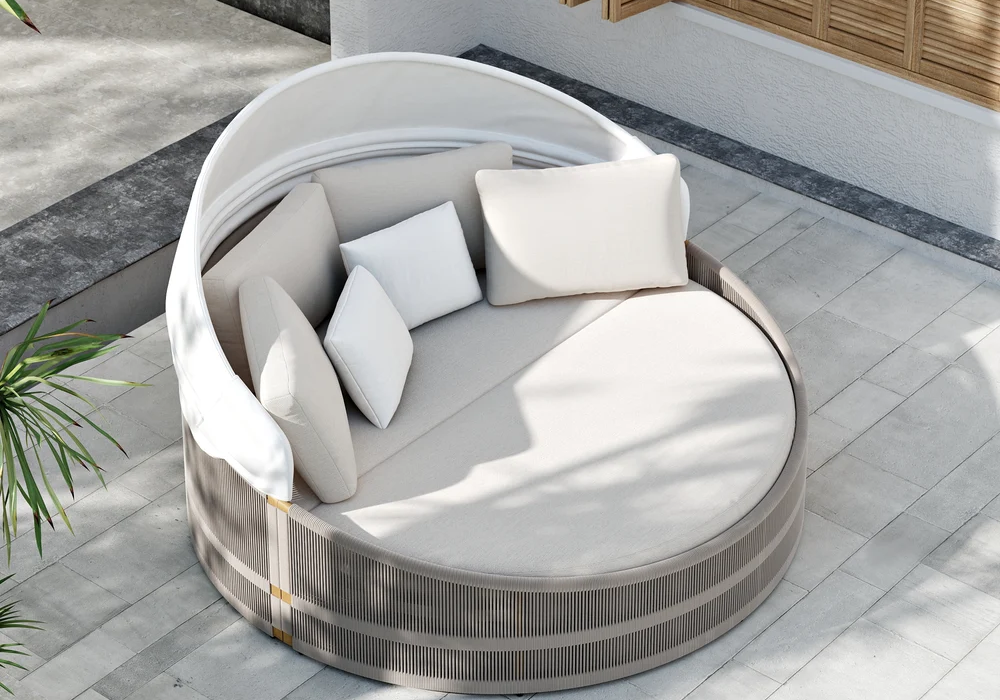
Homary Pick: Costra Weatherproof Round Patio Daybed
How to Clean Patio Furniture Cushions and Canvas
Different fabrics require different care approaches:
Fabric Type | Characteristics | Cleaning Method |
Sunbrella | Stain and fade resistant | Mild soap + water; bleach solution for mildew (1 cup bleach + ¼ cup soap + 1 gallon water) |
Olefin | Durable, weather resistant | Mild soap + water; air dry |
Polyester | Water-resistant, prone to staining | Mild soap + water; careful with scrubbing |
Canvas | Heavy-duty, breathable | Mild soap + water; avoid harsh chemicals |
Sunbrella and Olefin are recognized for excellent color fastness. However, aggressive cleaning, particularly scrubbing, may damage detailed stitching and compromise the furniture.
How Often Should You Clean Outdoor Cushions?
You should clean outdoor cushions at least twice a year—once before storing them away in fall and once before using them in spring. For heavily used cushions or those in humid climates, monthly spot-cleaning plus seasonal deep-cleaning is recommended.
Quick maintenance schedule:
- Weekly: Brush off loose dirt and debris
- Monthly: Spot-clean stains as they appear
- Seasonal: Deep clean (spring and fall)
- As needed: Treat mold or mildew immediately
How to Keep Outdoor Cushions Looking New
Preventive Measures
- Use UV-protective spray: Apply fabric protectant after cleaning to help prevent future stains
- Invest in weatherproof covers: When not in use, cover furniture to shield from harsh weather
- Store cushions during off-season: Bring indoors or into a dry storage box during heavy rain and winter months
- Reapply protective treatments: Every 6 months apply UV-blocking fabric protector
Pro Tip: Outdoor sofas with removable, quick-dry cushions can significantly reduce cleaning time and help extend the life of the fabric. Look for cushions with zippered, machine-washable covers when shopping.
When Should You Replace Outdoor Cushions?
Signs It's Time for Replacement
- Mold has penetrated deep into foam (visible black spots inside cushion)
- Sponge has collapsed (no longer provides support or bounces back)
- Fabric shows severe fading that doesn't respond to cleaning
- Cushions have persistent odor after multiple cleaning attempts
- Stitching is failing or fabric is tearing
"There will come a time when your outdoor cushions or fabrics can no longer be cleaned enough to warrant continued use," note outdoor furniture experts.
Outdoor cushions typically last 3-5 years depending on climate, usage, and maintenance. Proper storage and regular cleaning can extend this lifespan significantly.
FAQs
How do you clean outdoor cushions without a washing machine?
Hand wash with mild soap and warm water using a soft-bristle brush. Rinse thoroughly with a garden hose and air dry completely in sunlight.
Can you use bleach on outdoor cushions?
Yes for some fabrics like Sunbrella, which specifically call for bleach solution for mildew (1 cup bleach + ¼ cup mild soap + 1 gallon water). Always check the care label first, as bleach can damage other fabrics and void warranties.
How do you get black mold off outdoor cushions?
Mix equal parts water and white vinegar, spray on affected area, let sit for 15 minutes, scrub with a soft brush, rinse thoroughly, and dry in direct sunlight. For stubborn cases, use a degreaser like Krud Kutter.
Can you power wash outdoor cushions?
Yes, but be careful as too much pressure can damage the fabric. Use a wide spray pattern, keep the nozzle at least 12 inches away, and use the lowest pressure setting.
How do you dry outdoor cushions quickly after cleaning?
Blot with clean towels to remove excess moisture, then place in direct sunlight. Use fans to circulate air and speed drying. Avoid machine drying unless the care label specifically allows it.
How do you clean outdoor cushions that smell?
Vinegar solution removes odor-causing bacteria. For persistent smells, try a Borax soak (¼ cup Borax + warm water + dish soap) or sprinkle baking soda, let sit several hours, then vacuum.
Are all outdoor cushion covers machine washable?
No. Always check the care label. While many removable covers are machine washable, some require hand washing or professional cleaning. Sunbrella and Olefin fabrics are typically machine-washable on gentle cycles.
What's the best cleaner for outdoor cushions?
A solution of mild dish soap and warm water is the safest and most effective general cleaner. For mold and mildew, white vinegar or Borax are excellent bleach-free options.