

Picking the best wood for outdoor furniture comes down to one honest question: how much weather do you want your pieces to handle, and how much fuss are you willing to deal with? The simple answer is that teak sits at the top for durability and low upkeep, but it is not the only smart buy. Acacia, eucalyptus, cedar, and shorea each earn their place depending on your climate, your patience for maintenance, and your budget. Here is how these woods actually perform outdoors, their cost over the years, and which one fits the way you really live.
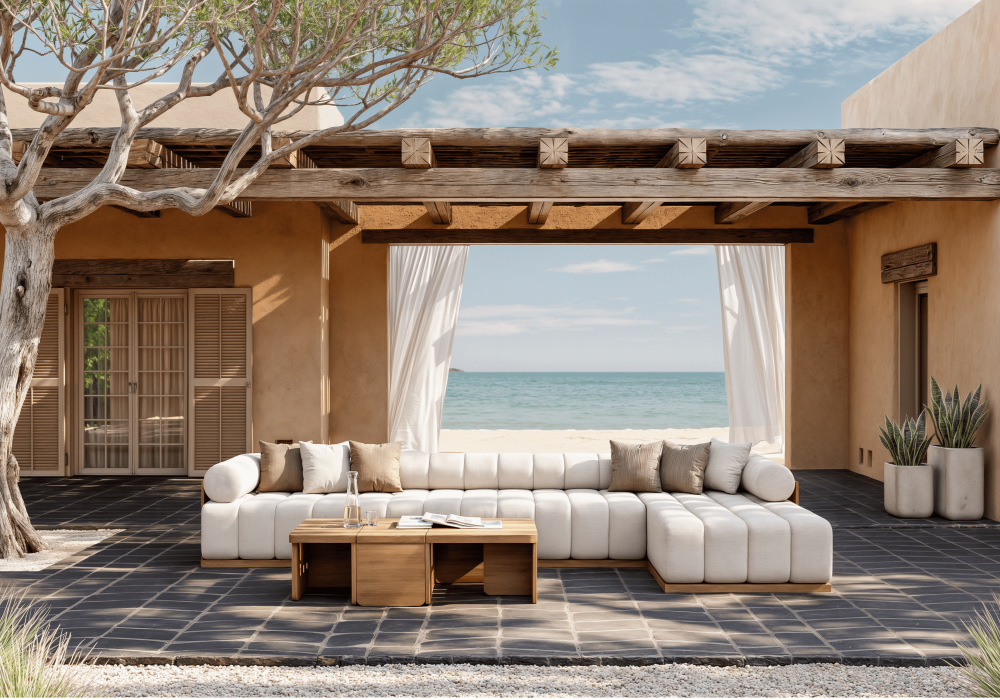
Source Homary
What Makes A Wood Weather-Ready
Before you compare wood types, it helps to know what you are actually comparing. A wood type can be assessed by comparing three key features.
Natural Oil Content
The first is natural oil content. Some tropical hardwoods produce oils and resins deep in their grain that repel water and make the wood unappealing to insects and fungi. Teak is the poster child: its oils and high silica content are why it has been used in shipbuilding for centuries and why it resists rot without any coating at all.
Density And Grain Structure
The second is density and grain structure. Tightly packed, interlocked grain physically resists the splitting, warping, and cracking that happen when a board soaks up moisture and then bakes in the sun. Denser woods also dent less and hold hardware better, which the Janka hardness scale lets you gauge.
Dimensional Stability
Thirdly, you need to consider dimensional stability, or how little the wood moves as humidity swings. A board that expands and contracts every season will loosen joints and open cracks over time. Teak wins here too, since it moves far less than most woods when it dries.
Notice that finishes are not on this list. Oils and sealers help a wood look its best, but the real work of surviving outdoors is done by the core material itself.
The Best Wood For Outdoor Furniture At A Glance
Here is how the most common outdoor wood types compare. Use this as your shortlist, then read the closer look below for the details that matter to your situation.
Wood | Weather Resistance | Maintenance | Relative Cost | Best Outdoor Use |
Teak | Excellent, rot and insect resistant | Very low, optional oiling | High | Dining sets, loungers, coastal patios, buy-it-once pieces |
Shorea | Excellent, teak-like oils | Low | Medium-High | Benches, dining tables, high-moisture yards |
Acacia | Good with care | Medium, oil a few times a year | Low-medium | Covered patios, budget-friendly seating and tables |
Eucalyptus | Good, naturally rot resistant | Medium, annual oiling to hold color | Low-medium | Sustainable value pieces, mild to moderate climates |
Cedar | Good, naturally rot and insect resistant | Low-medium | Low-medium | Lightweight seating, structures, dry and temperate regions |
Ipe | Outstanding, extremely dense | Low | High | Heavy-use tables, exposed sites |
Prices shift by region, grade, and design, so treat the cost column as a ranking rather than a promise. A well-built acacia set can outlast a poorly made teak one, and grade matters as much as species.
A Closer Look At The Best Wood Types
Teak: The Benchmark Everyone Measures Against
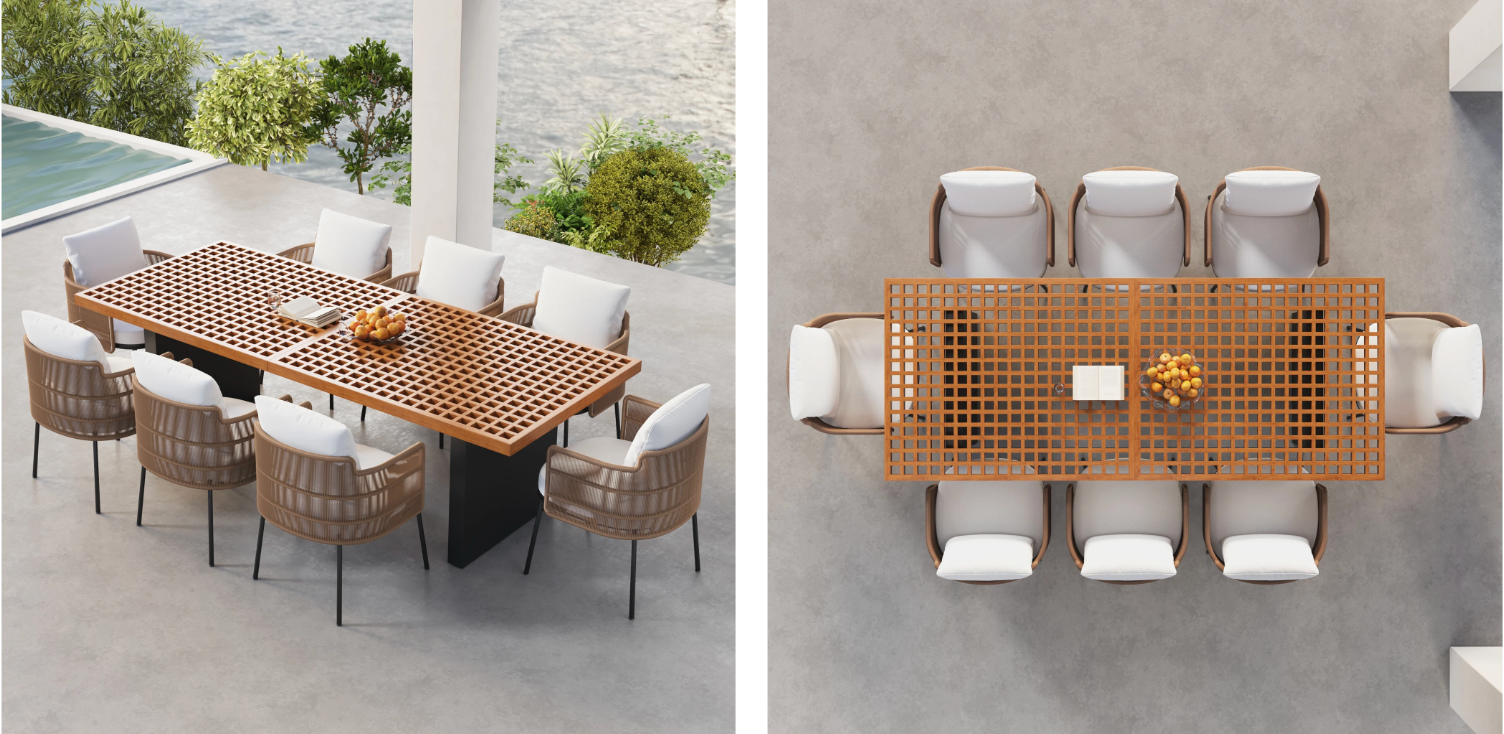
If money were no object, most people would just buy teak and be done with it. Its natural oils repel water and pests, its interlocked grain resists cracking, and it holds up in rain, humidity, blazing sun, and even salty coastal air. Left unfinished, teak weathers to a soft silver-gray patina that many owners prefer; oil it now and then and it keeps its warm golden-brown tone instead. Either way, the wood underneath stays sound for decades.
Source Homary
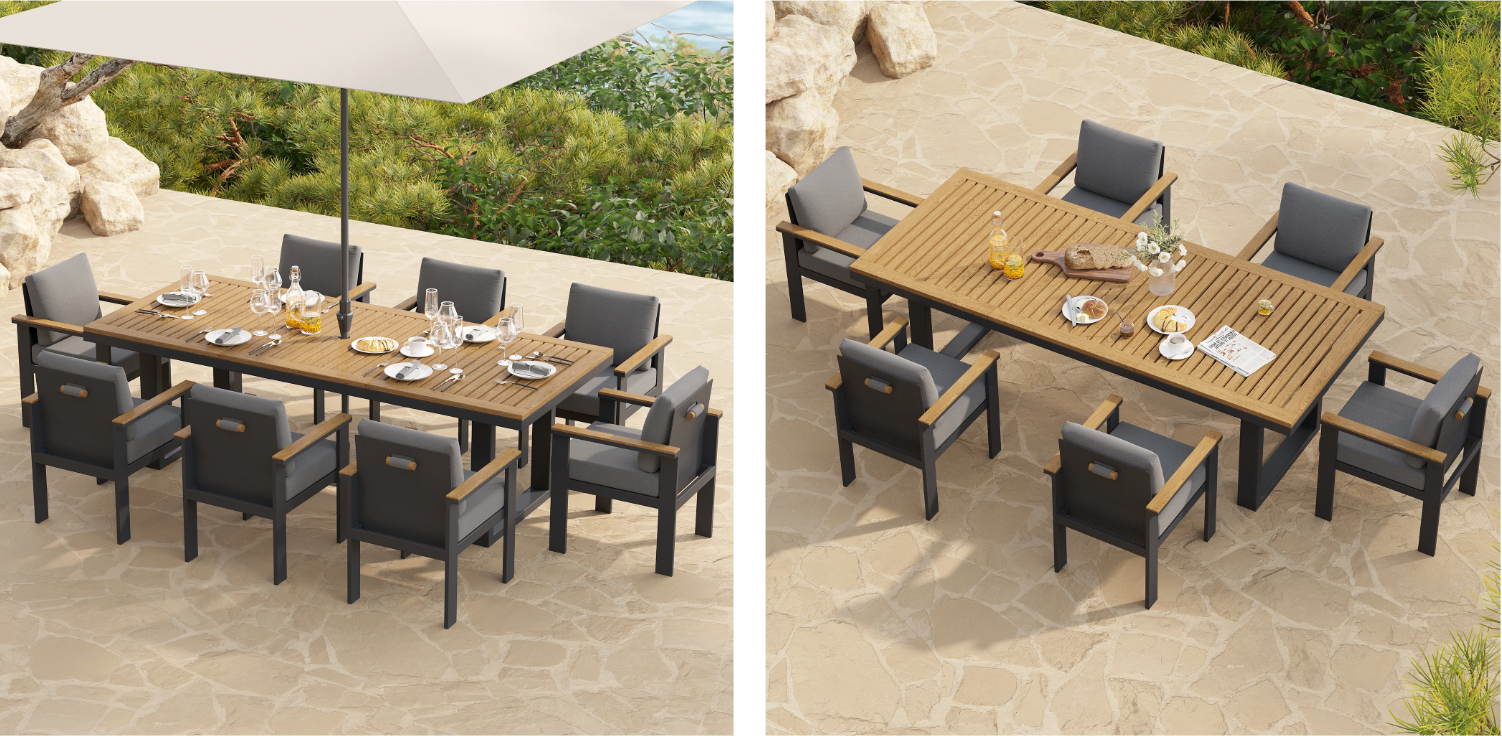
The trade-off is price. Teak is a slow-growing tropical hardwood, so a solid piece costs more upfront than almost anything else here. The way to think about it is cost per year, not cost per checkout. A solid teak dining table or a set of teak dining chairs is the kind of purchase you make once and stop thinking about. Look for the FSC label and favor pieces built from dense heartwood rather than the paler, softer sapwood.
Source Homary
Best for: maximum longevity with minimum effort, especially in wet or coastal climates.
Acacia: The Value Hardwood
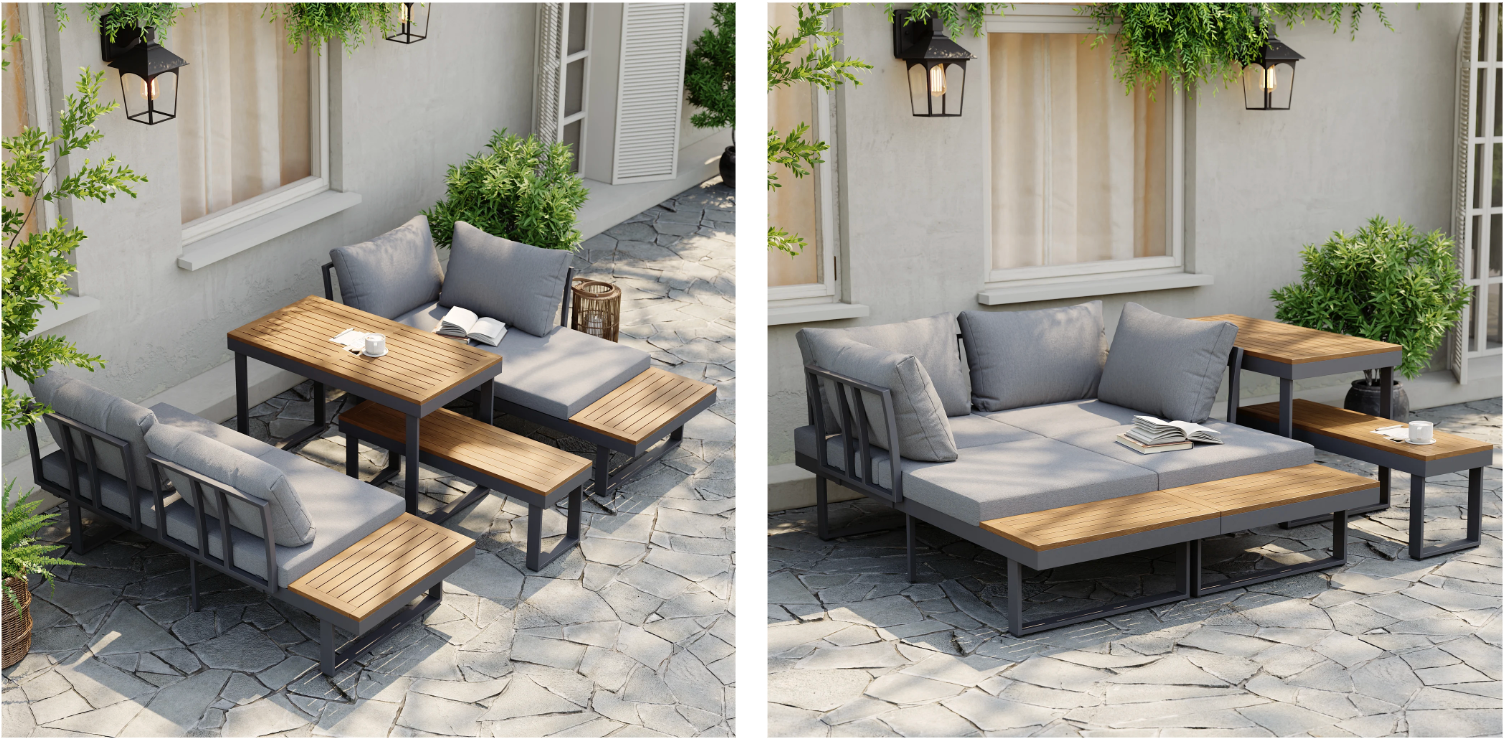
Acacia gives you a genuine dense hardwood at a friendlier price. It carries its own natural oils, shows a rich variegated grain, and handles the elements well when you look after it. The catch is that acacia is softer and thirstier than teak, so it rewards routine care: a wipe-down, a spot out of standing water, and a coat of oil a few times a year to keep it from drying out.
Source Homary
Treated with that basic care, acacia is a workhorse. An acacia sectional sofa set delivers a warm, natural look at a more palatable price than comparable teak, which is why it is such a popular pick for first patios and covered porches.
Best for: budget-conscious buyers with a covered space who do not mind occasional upkeep.
Eucalyptus: The Sustainable Underdog
Eucalyptus is the wood a lot of shoppers overlook and then fall for. It is a dense hardwood with natural resistance to rot and insects; it grows fast enough to be one of the more sustainable choices out there, and it usually lands in the same affordable bracket as acacia. Fresh from the shop, it shows a handsome reddish-brown color.
Like acacia, eucalyptus will silver over time if you leave it alone, and it prefers an annual oiling to hold its color. In a mild to moderate climate with a bit of seasonal attention, it punches well above its price.
Best for: eco-minded buyers who want real hardwood durability without the premium teak tag.
Cedar: The Lightweight Specialist
Cedar is different from the above-mentioned wood types in many ways. It is a softwood, not a hardwood, but it comes loaded with natural compounds that make it genuinely resistant to rot and insects. It is also stable, so it resists warping, and light enough to move around a deck without needing additional hands to help.
The downside of that low weight is that cedar dents more easily than the tropical hardwoods, and in an exposed, windy spot, lighter pieces can shift around. In a dry or temperate climate, though, cedar is a comfortable, characterful, and affordable option that ages to a pleasant gray.
Best for: dry and temperate regions, balconies, and anyone who wants furniture that is easy to reposition.
Shorea: The Teak Alternative Worth Knowing
Shorea often flies under the radar, which is a shame, because it behaves a lot like teak for less money. It is a dense tropical hardwood with a high oil content, excellent water resistance, and enough heft to stay planted in a windy backyard. It weathers to a similar silvery tone and handles moisture with very little help.
The main downsides are that it is heavy to move and less widely stocked, so you may have to hunt for the piece you want. When you find it, shorea is one of the best-kept secrets in outdoor furniture.
Best for: high-moisture yards and buyers who want near-teak performance at a more digestible price point.
Ipe and Other Premium Options
At the top end sit ultra-dense hardwoods like ipe, so tight-grained and heavy that they resist rot, insects, and wear for decades with almost no attention. Ipe is expensive, hard to work, and seriously heavy, so it is overkill for most home patios, but unbeatable where furniture takes a beating. White oak and mahogany round out the premium tier, each offering good natural rot resistance with a refined, furniture-grade look.
Maintenance And Cost: What To Expect Over Time
The sticker price is almost always only half the story. The other half is what each wood asks of you over the years, and that is where buying decisions often change for the educated buyer.
The low-maintenance camp is led by teak, shorea, and ipe. Left alone, these woods weather gracefully and keep doing their job. You can leave them out year-round, hose them off now and then, and skip oiling entirely if you are happy with a silvery patina. The only real cost is the higher price at purchase.
The medium-maintenance camp includes acacia, eucalyptus, and to a lesser degree cedar. These woods are perfectly durable, but they stay at their best with a seasonal routine: cleaning, keeping them out of pooled water, and a coat of oil once or a few times a year to preserve their color. Think of it as the maintenance tax you pay for a lower upfront price.
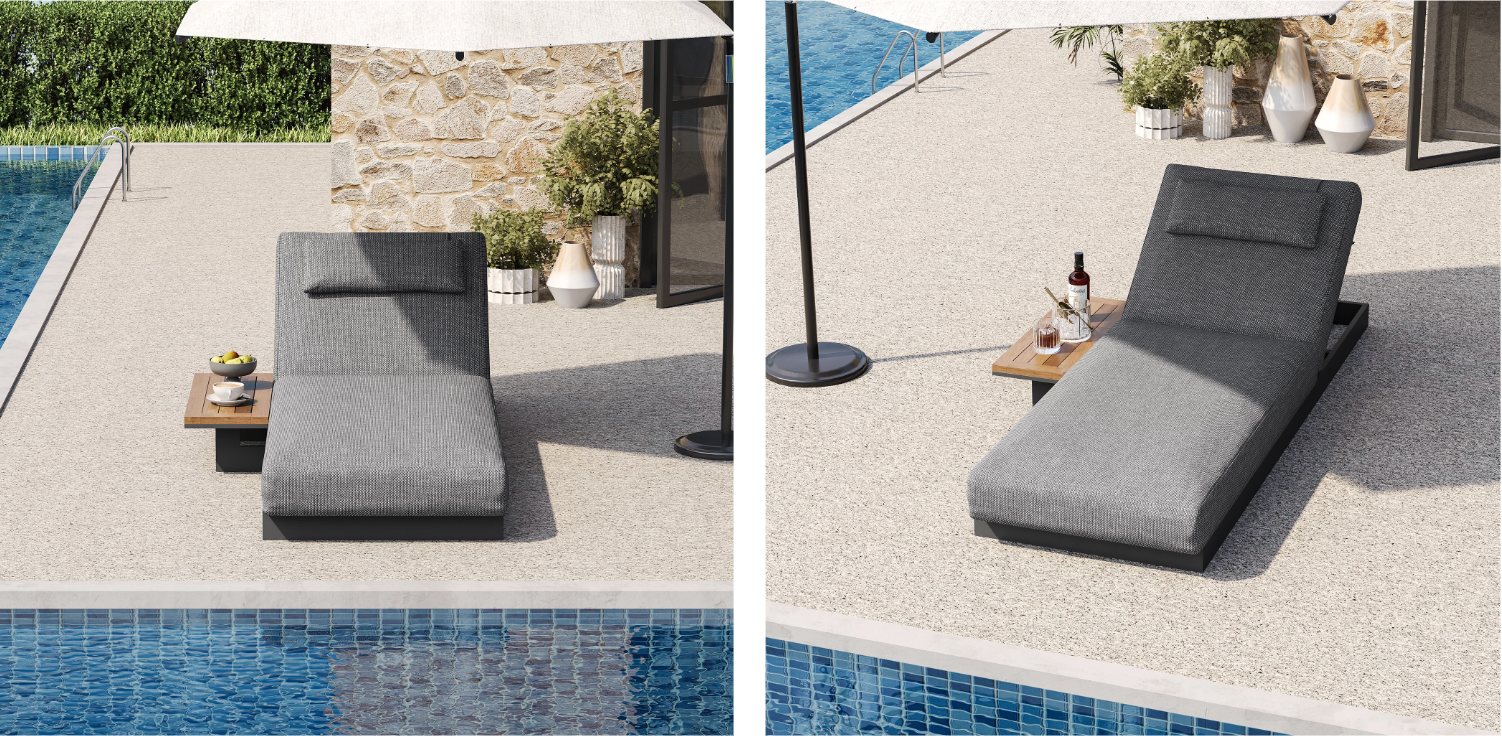
Where furniture spends its downtime matters too. Most wood types last longer if they are not sitting in a puddle or covered under wet leaves all winter. A cover, a spot under an eave, or simply tipping chairs forward so water runs off does more for longevity than any care product you can buy. A well-made teak chaise lounge sat in a sensible spot will still look great long after a neglected one has gone gray.
Source Homary
One more cost worth naming: cushions and hardware. Even the toughest frame is only as good as its fabric and fasteners, so look for UV- and water-resistant covers and rust-resistant aluminum or stainless steel hardware. Those usually give out first, not the wood.
Expert Tips for Choosing Outdoor Wood Furniture
A few hard-won pointers that separate a smart buy from a regret:
- Buy for your climate, not the catalog photo. Wet, humid, or coastal? Lean toward teak or shorea. Dry and temperate? Cedar, eucalyptus, or acacia will serve you well for less.
- Weigh the piece in your mind. Heavier woods like teak and shorea stay put in wind and feel more solid; lighter cedar is easier to rearrange but is vulnerable to storms and heavy wind.
- Check the grade, not just the species. Dense heartwood beats pale sapwood.
- Look for responsible sourcing. An FSC certification tells you the wood was harvested sustainably, which matters for slow-growing tropicals.
- Invest in the frame, save on the extras. Spend on the frame you keep for years; cushions, covers, and side tables are easy and cheap to replace later.
- Avoid the common mistakes. The big ones are buying a beautiful but under-built piece, choosing a moisture-hungry wood for a rainy climate, and assuming any wood can be ignored forever.
If you are still weighing options, it helps to browse a full outdoor furniture collection side by side so you can compare finishes, footprints, and frame materials before you make a decision.
The Bottom Line
There is no single best wood for outdoor furniture that wins for everyone, but there is a best wood for you. If you want to buy once and barely think about it again, teak is worth every penny, with shorea close behind at a friendlier price. If you would rather spend less upfront and do not mind a seasonal touch-up, acacia and eucalyptus give you real hardwood character on a budget, while cedar is a lovely, lightweight choice for drier climates. Match the wood to your weather, and your willingness to maintain it; choose a well-built frame from a responsible source, and your patio will reward you with years of easy, good-looking use.
Frequently Asked Questions
What is the best wood for outdoor furniture overall?
For most people, teak. Its natural oils and dense grain resist rot, insects, and warping with almost no maintenance, and it holds up in wet, humid, and coastal conditions where other woods struggle. It costs more upfront, but its lifespan makes it excellent value over time. If teak is out of budget, shorea offers very similar performance for less.
What is the most affordable wood that still lasts outdoors?
Eucalyptus and acacia are the sweet spot for value. Both are dense hardwoods with natural resistance to the elements, and both cost far less than teak. The trade-off is a bit of seasonal care, mainly cleaning and an occasional coat of oil. Cedar is another affordable option, especially in drier climates.
Do I have to oil my outdoor wood furniture?
Not for durability. Woods like teak and shorea survive perfectly well unoiled and simply weather to a silver-gray. Oiling is mostly about appearance: it restores the warm original color and slows the graying. Softer woods like acacia and eucalyptus benefit more from periodic oiling, but it is upkeep for looks, not survival.
How long does teak outdoor furniture last?
A well-made piece of solid teak can last for decades with basic care, and quality heartwood teak routinely serves for a generation or more. Its long track record in shipbuilding is the clearest proof of how well it handles constant exposure to water and sun.
Which wood is best for a rainy or coastal climate?
Teak and shorea are the standouts for wet and salty environments. Their high natural oil content repels water and resists the rot and insects that thrive in humidity. Either of these dense tropical hardwoods will outlast a softer, thirstier wood by a wide margin.